


Beyond Gratitude: Making Room for the Full Range of Emotions in the Classroom
As November brings a greater focus on gratitude and Thanksgiving, educators can create more inclusive classrooms by making space for the full range of students’ emotions and experiences. A trauma-informed approach recognizes that gratitude can foster connection and well-being, but should never be used to minimize pain, force positivity, or replace meaningful attention to inequity and systems that need to change. By prioritizing choice, belonging, emotional safety, and more complete stories, educators can create classrooms where students feel seen, supported, and connected.
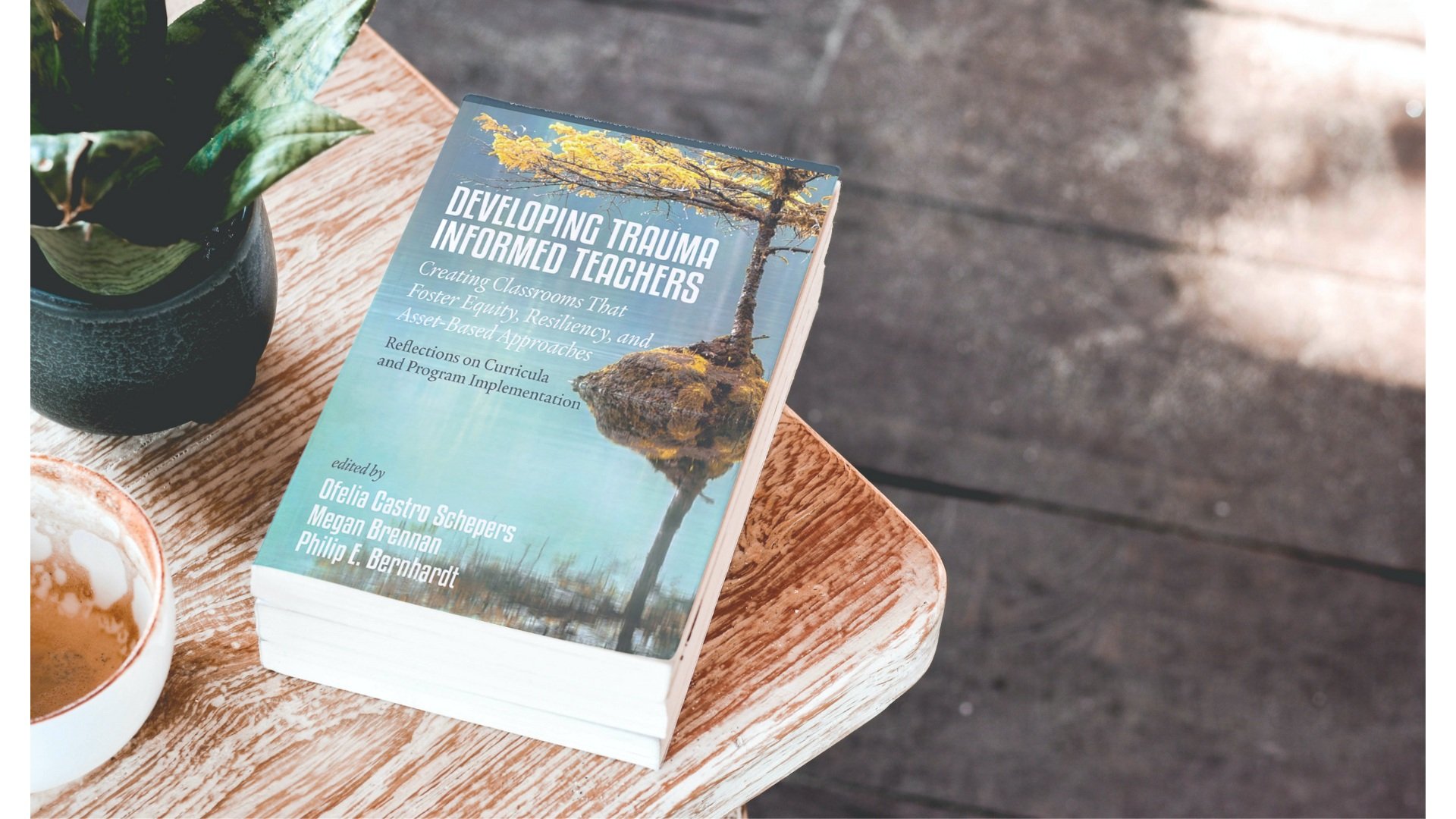
Developing Trauma-Informed Teachers
An Educational Book Series from Resilient Futures
[July 2022] Co-edited by Resilient Futures founder Megan Brennan, this volume of the series Contemporary Perspectives on Developing Trauma-Informed Teachers provides reflections, examples, and implementation guidance for the innovative and important ways educators develop and implement trauma-informed practices across their programs, instituting broader curricular shifts to incorporate trauma-informed practices.
[January 2023] Co-edited by Resilient Futures founder Megan Brennan, this volume of the series was driven by a deep desire to ensure that teacher candidates are thoughtfully prepared to more fully address students’ needs and create classroom environments that are safe for students and teachers.

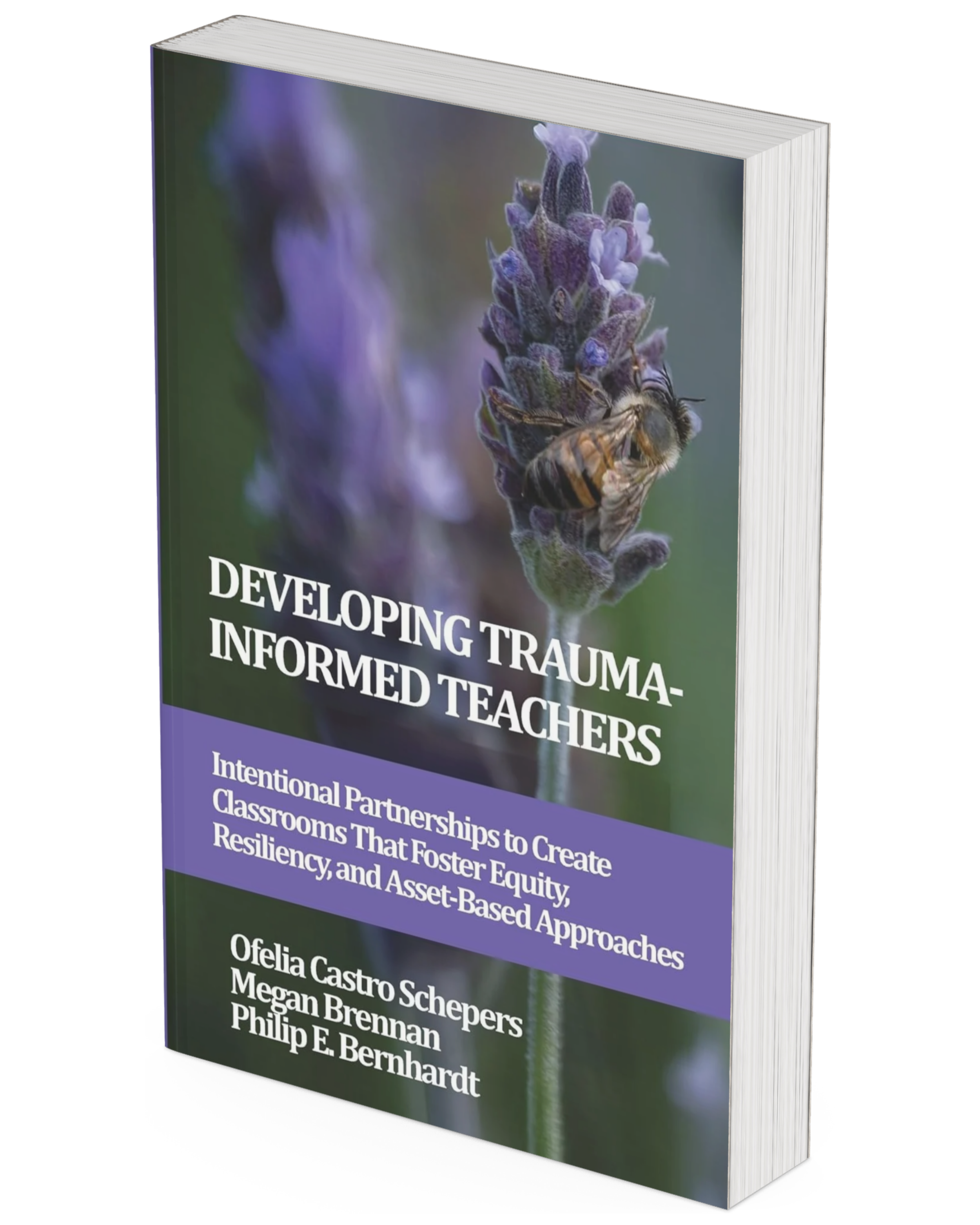
Developing Trauma-Informed Teachers: Intentional Partnerships to Create Classrooms That Foster Equity, Resiliency, and Asset-Based Approaches
[May 2025] Co-edited by Resilient Futures founder Megan Brennan, this volume of the series we delves into the heart of educational evolution: Intentional Partnerships to Create Classrooms that Foster Equity, Resiliency, and Asset-Based Approaches.
Childhood Trauma:
An event(s) that a child finds overwhelmingly distressing or emotionally painful, often resulting in lasting mental and physical effects.
Many think of trauma as a single life-changing event, but more commonly trauma manifests as a series of events or patterns of abusive or neglectful behaviors that compound over time.
Understanding Childhood Trauma

In the Press

Give to further our Mission
More than ever, our schools and youth-serving communities are in need of trauma-informed education, training, and resources. Your tax-deductible gift will directly fund our program expansion efforts, enabling us to provide trauma-informed training and resources to a greater number of educators, schools, and youth-serving organizations.
Interested in learning more about our Trauma-Informed Futures© Programming & Services?