


When Connection Gets Hard: Why Trauma-Informed Relationships Matter More After the First Month of School
The first month of school may establish routines, but the real work of building trust begins as students settle into the realities of the school year. This article explores why trauma-informed relationships become even more important in September, examining how consistency, psychological safety, and meaningful connection shape student engagement, behavior, and belonging. Grounded in research and practical classroom examples, it offers educators a deeper understanding of how everyday interactions can create the conditions for resilience, learning, and long-term success.
The First 30 Days Matter: A Trauma-Informed Back-to-School Plan for Safety, Belonging, and Attendance
The first month of school shapes more than routines. It shapes whether students experience school as a place of safety, belonging, and trust. In this trauma-informed back-to-school guide, Resilient Futures shares practical strategies for helping students and staff feel grounded, connected, and ready to learn in the first 30 days.
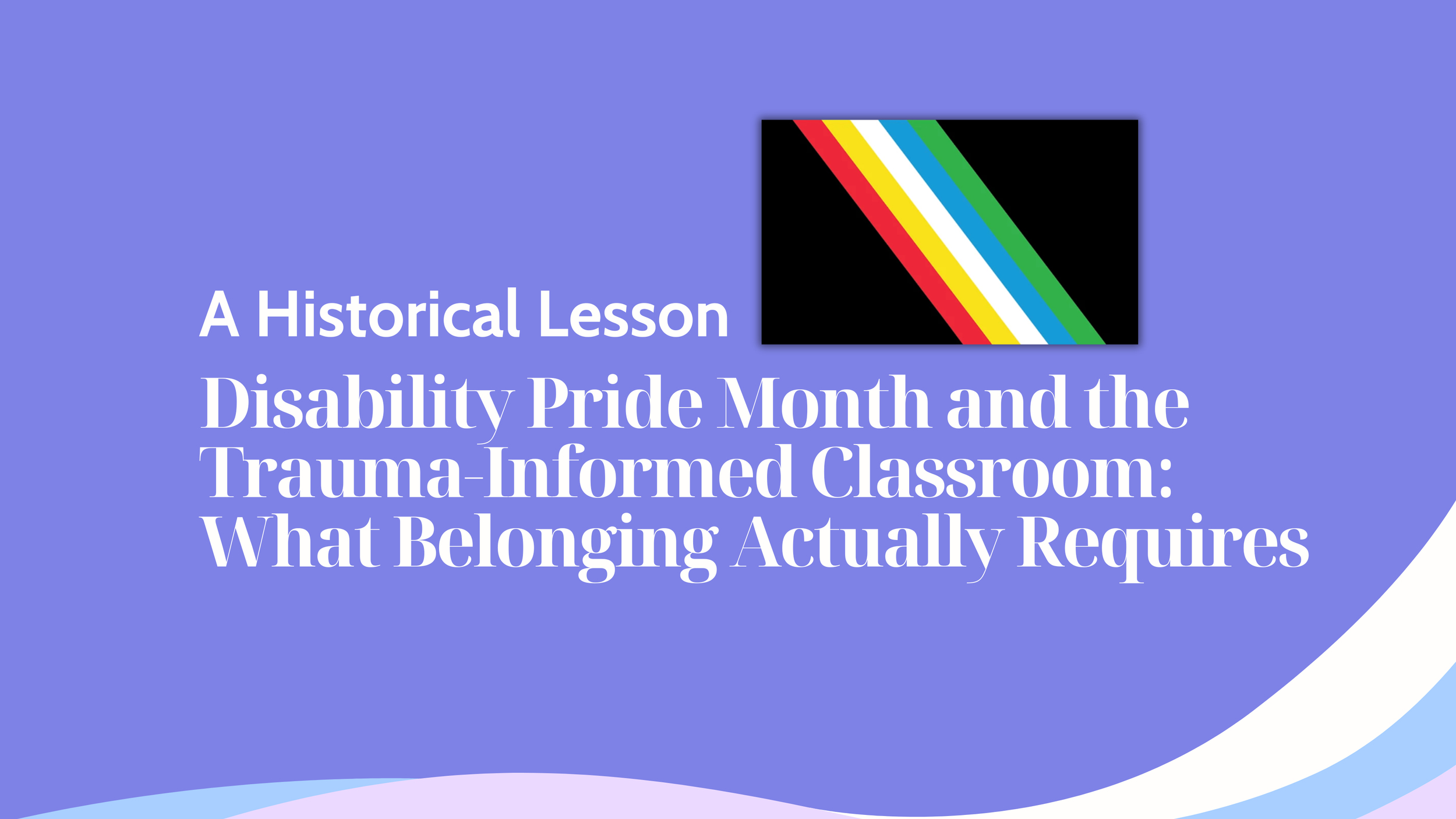
Disability Pride Month and the Trauma-Informed Classroom: What Belonging Actually Requires
Disability Pride Month asks American classrooms a question the law has not yet answered. What does belonging actually require? This piece is a trauma-informed walkthrough of the ADA anniversary, the architecture of inclusive classrooms, and the practical shifts educators and school leaders can build into August.

Honoring Pride Month: A Trauma-Informed Approach to Identity, Safety, and Belonging
When Pride Month meets the classroom, educators have a powerful opportunity to center safety, belonging, and emotional well-being for all students. Grounded in trauma-informed practices and mental health research, this approach moves beyond politics to focus on what every child needs to thrive. By leading with empathy, regulation, and inclusive connection, classrooms can become spaces where every student feels seen, supported, and safe.

You Made It. Now What? A Trauma-Informed Guide to Closing the School Year with Your Students
As the school year comes to a close, educators are carrying more than lesson plans and grades. This trauma-informed guide offers a way to end the year with intention by prioritizing reflection, regulation, and meaningful closure for both students and teachers. Because how we end the year matters just as much as how we begin it, and educators deserve space to restore what this year has required of them.
The Summer Cliff Is Coming: How Trauma-Informed Educators Can Help Students Land Safely
Every June, millions of students walk out of school buildings and into a summer that isn't safe, structured, or nourishing. For children who carry the weight of trauma, the end of the school year isn't a relief. It's a loss. Here's what educators need to know before the final bell rings.

Honoring AAPI Heritage Month: Culturally Specific Trauma and What Trauma-Informed Educators Need to Know
May is Asian American and Pacific Islander Heritage Month. Behind the model minority myth lies a community carrying complex, often invisible trauma. Here is what trauma-informed educators need to understand about the mental health of AAPI students and how cultural humility and trauma-informed practice intersect.
Different Ways Children Learn: A Trauma-Informed Guide for Educators
Children learn in many different ways, yet classrooms often rely on only a few teaching methods. This trauma-informed guide explores a wide range of learning styles, including visual, auditory, movement-based, social, conversational, play-based, creative, imaginative, and narrative learning. Designed as a turnkey guide for educators, it provides clear explanations of each learning approach along with practical classroom examples to help teachers recognize and support the diverse ways students learn.
The Invisible Backbone of Safe Schools: Why School Counselors and Mental Health Professionals Matter More Than Ever in 2026
Today’s schools are carrying far more than academics, and school counselors are often the first to respond. Their work supports students, educators, families, and entire systems, creating the conditions for safety, connection, and learning. When funding for these roles is cut, the impact reaches far beyond the classroom.
Autism and Trauma-Informed Practices: What Every Educator Needs to Know
You cannot fully understand, connect with, or support an autistic child without understanding trauma-informed care. This April, Resilient Futures makes the case for why autism awareness and trauma-informed practice are not separate conversations and never should have been.
Teaching Children to Feel Their Feelings, Not Just Name Them
Teaching children to name, feel, and tolerate their emotions builds lifelong emotional resilience, strengthens their nervous systems, and prevents the cycles of suppression many adults are still unlearning. This article explores how trauma-informed educators can help the next generation develop emotional wisdom that lasts well into adulthood.

How Food Insecurity Hurts Learning, Belonging, and Becomes Childhood Trauma
When children come to school hungry, it’s not just their stomachs that are empty — it’s their sense of safety and belonging, too. This article explores how food insecurity impacts learning and emotional well-being, why inconsistent access to food is a form of trauma, and what educators can do to create stability and care in their classrooms. As SNAP cuts threaten millions of children, schools have a critical role to play in helping students feel nourished, seen, and safe.

Trauma-Informed Schools: A Pathway to Suicide Prevention, Belonging, and Hope
Youth suicide is the second leading cause of death among young people, yet schools have the power to be life-saving spaces of connection, belonging, and hope. By embracing trauma-informed practices, cultural humility, and restorative approaches, educators can transform classrooms into protective environments where every student feels seen, valued, and supported. This Suicide Prevention Month, Resilient Futures calls on communities to invest in practices that not only strengthen academics but save lives and preserve futures.

Back to School with Intention: A Simple Trauma-Informed Starter Kit for Educators
As you head back to school in a system that’s overburdened and under-resourced, trauma-informed practices can help you create a safer, more connected classroom for every student. This guide offers practical tools to build trust, support emotional regulation, and foster belonging while also protecting your own wellbeing and boundaries. You don’t have to do it all; just start with intention, and let your presence be the practice.

Supporting Students Through the Summer: Trauma-Informed Summer Packet for Educators
As summer approaches, we know that many students will miss the structure and safety of school. That’s why Resilient Futures created a free downloadable packet with trauma-informed activities, calming tools, and reflection prompts to help students feel supported over the break. It also includes a customizable end-of-year letter template so educators can send each student home with words of encouragement and connection.

Compassion Fatigue vs. Burnout: How Educators Can Recognize & Address Both
Educators give their hearts to students, but what happens when that emotional labor leads to deep exhaustion? This article breaks down the difference between compassion fatigue and burnout, two often-overlooked challenges in today’s schools. Learn how to recognize the signs, respond with trauma-informed strategies, and create a path toward healing and sustainability in your work.

The Essential Role of Educators of Color in Empowering Students
Educators of color play a vital role in creating trauma-informed, equity-centered classrooms where all students feel seen, valued, and empowered. Their presence not only improves academic outcomes but also fosters cultural humility, belonging, and identity safety. Here we explore the transformative impact of representation in education, and why it matters now more than ever.

April is Child Abuse Prevention Month: Understanding and Preventing Child Abuse
April is National Child Abuse Prevention Month. A time to raise awareness, recognize the signs of abuse, and take action to protect children. This article explores how trauma-informed practices in schools and youth-serving environments can help prevent abuse before it starts. Learn the warning signs, understand cultural and generational nuances, and access resources to support children and families in need.

Supporting Grieving Students: A Guide for Educators and School Leaders
Grief is a complex experience that impacts students in many ways, from personal loss to school and community trauma. Trauma-informed practices help educators create emotionally safe environments where grieving students feel supported, understood, and empowered. By fostering stability, connection, and compassion, schools play a vital role in helping students navigate loss and build resilience.

Navigating the Educational Landscape: Experiences of Children in Foster Care
Children in foster care face significant educational challenges due to frequent relocations, instability, and trauma, leading to lower graduation rates and higher disciplinary actions. Here we explore how trauma-informed teaching can provide a crucial counterbalance by fostering stability, trust, and emotional connection, particularly for foster youth who may not experience reliable adult support elsewhere. By implementing trauma-informed practices, educators can create safe, inclusive learning environments that not only support foster youth but benefit all students facing adversity.
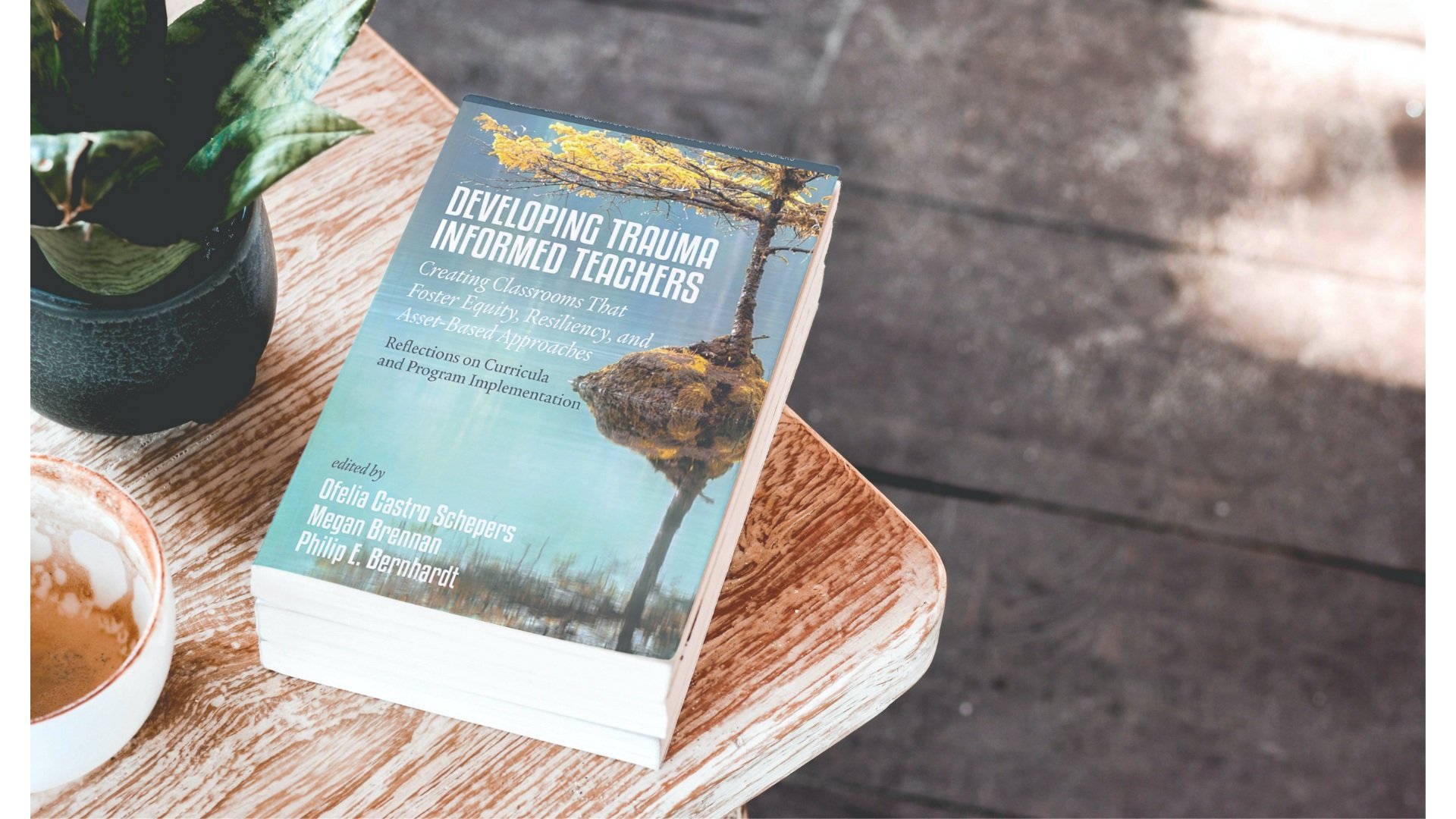
Developing Trauma-Informed Teachers
An Educational Book Series from Resilient Futures
[July 2022] Co-edited by Resilient Futures founder Megan Brennan, this volume of the series Contemporary Perspectives on Developing Trauma-Informed Teachers provides reflections, examples, and implementation guidance for the innovative and important ways educators develop and implement trauma-informed practices across their programs, instituting broader curricular shifts to incorporate trauma-informed practices.
[January 2023] Co-edited by Resilient Futures founder Megan Brennan, this volume of the series was driven by a deep desire to ensure that teacher candidates are thoughtfully prepared to more fully address students’ needs and create classroom environments that are safe for students and teachers.

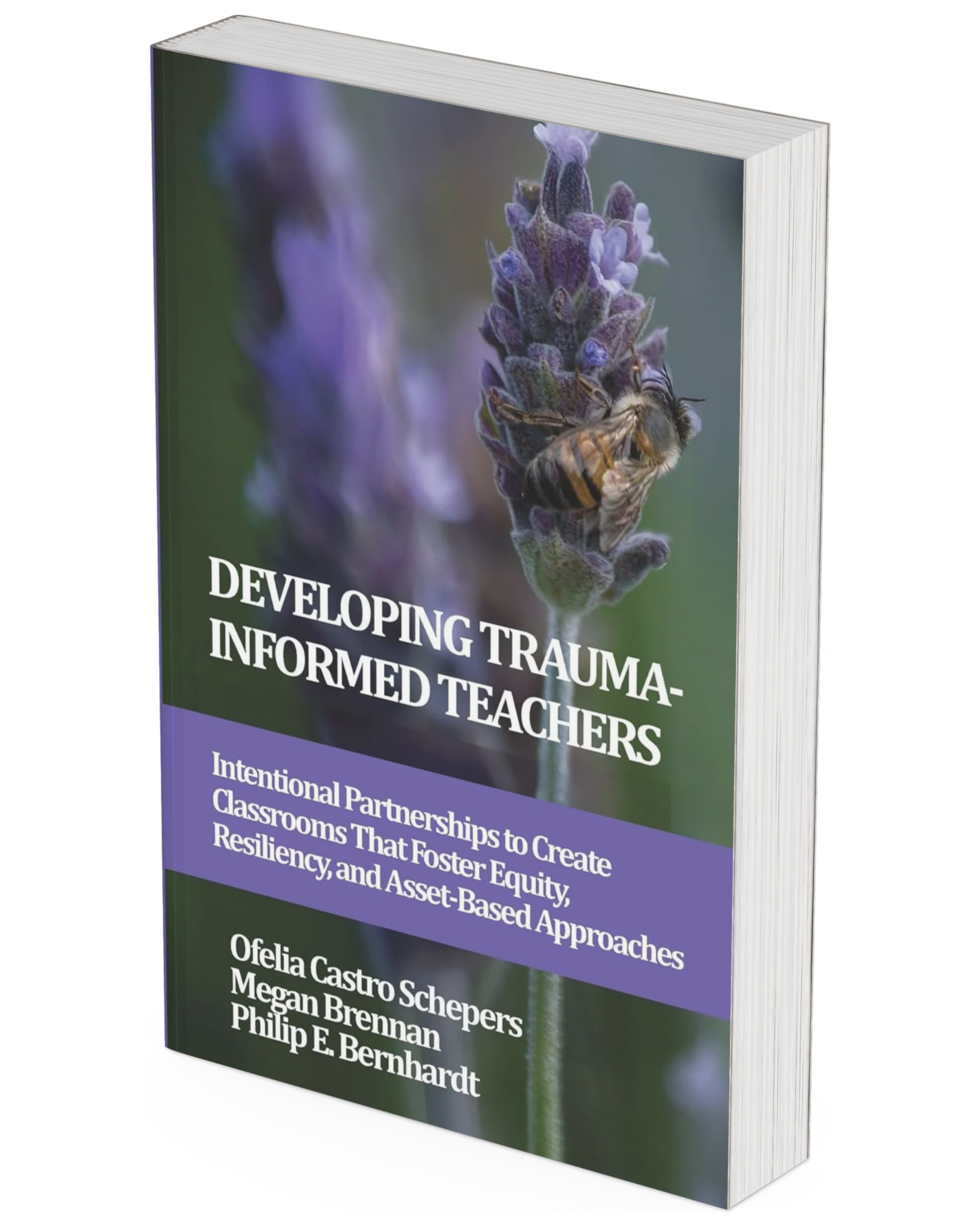
Developing Trauma-Informed Teachers: Intentional Partnerships to Create Classrooms That Foster Equity, Resiliency, and Asset-Based Approaches
[May 2025] Co-edited by Resilient Futures founder Megan Brennan, this volume of the series we delves into the heart of educational evolution: Intentional Partnerships to Create Classrooms that Foster Equity, Resiliency, and Asset-Based Approaches.
Childhood Trauma:
An event(s) that a child finds overwhelmingly distressing or emotionally painful, often resulting in lasting mental and physical effects.
Many think of trauma as a single life-changing event, but more commonly trauma manifests as a series of events or patterns of abusive or neglectful behaviors that compound over time.
Understanding Childhood Trauma

In the Press

Give to further our Mission
More than ever, our schools and youth-serving communities are in need of trauma-informed education, training, and resources. Your tax-deductible gift will directly fund our program expansion efforts, enabling us to provide trauma-informed training and resources to a greater number of educators, schools, and youth-serving organizations.
Interested in learning more about our Trauma-Informed Futures© Programming & Services?